2003
Capturing the Friedmans
Documentary, Crime
8.0
User Score
376 Votes
Status
Released
Language
en
Budget
$0
Production
HBO Documentary Films, Notorious Pictures, Magnolia Pictures
Overview
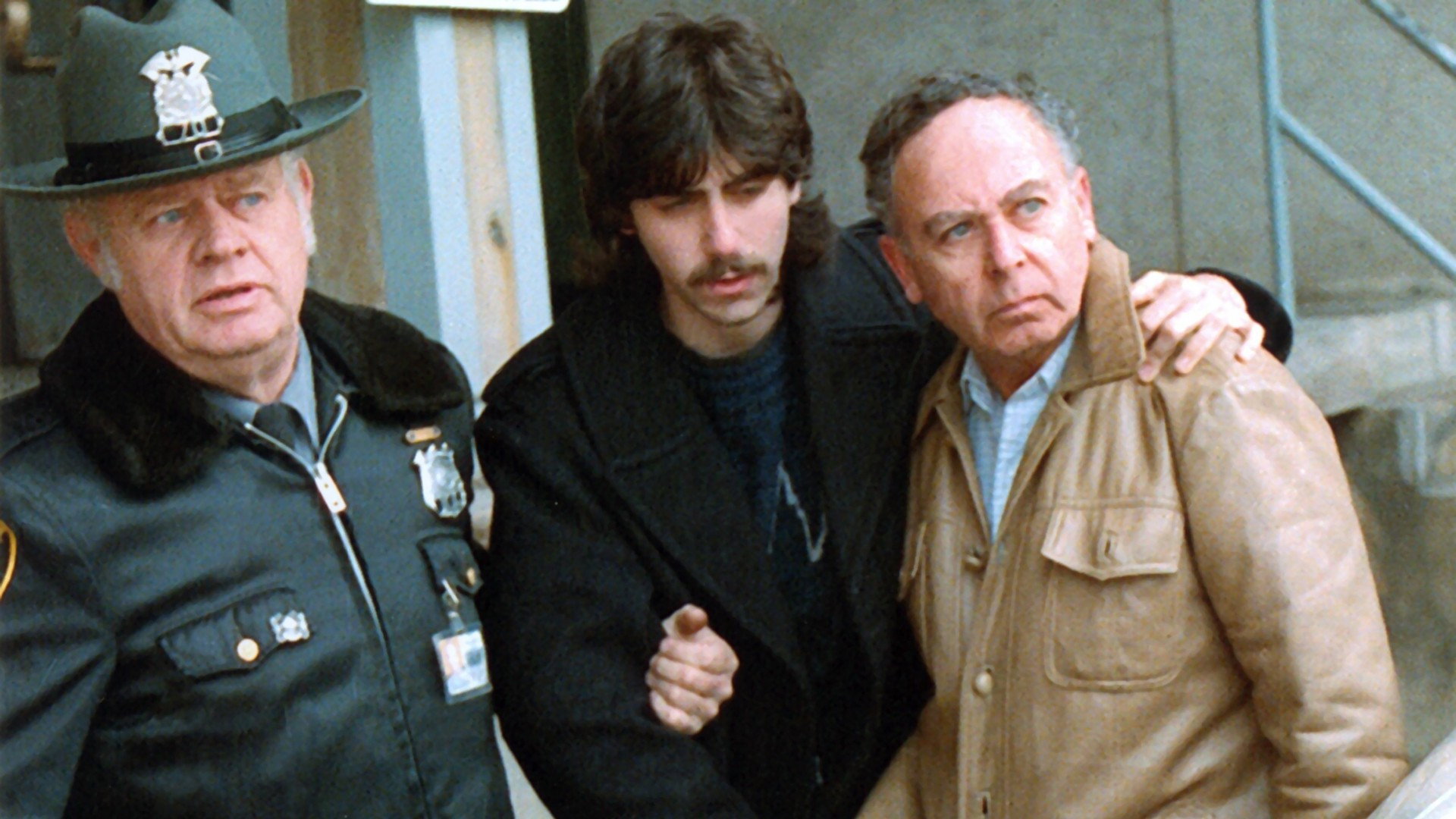
An Oscar nominated documentary about a middle-class American family who is torn apart when the father Arnold and son Jesse are accused of sexually abusing numerous children. Director Jarecki interviews people from different sides of this tragic story and raises the question of whether they were rightfully tried when they claim they were innocent and there was never any evidence against them.
Review
Geronimo1967
7.0
The Friedmans are your stereotypical aspirational middle-American family with a mum, a dad and three brothers. Arnold is the dad: a pillar of the local community and music teacher; Elaine is the stay-at-home mother and Sam, David and Jesse are their children. They have a spacious home and are keen on making home movies to celebrate just about any occasion. Then their world comes apart at the seams. The authorities are informed that Arnold has been receiving some dodgy Dutch pornographic magazines and so after the gentlest of sting operations arrest him. He admits his misdemeanour, but it turns out that this is just the tip of an iceberg that indicates he has not stopped at just looking at photos but that he has been abusing his position of trust to actually assault some of the kids in his charge. Moreover, as the investigation gathers pace it appears that his teenage son Jesse has been complicit all along. What director Andrew Jarecki proceds to do now is follow the legal process, but rather than just present us with a straightforward chronology he starts to explore what actually happened in this case - and there is more than one permutation. From the interviews with the brothers, and with Elaine, we learn that though outwardly happy this was a dysfunctional family where husband and wife's relationship had all but dissolved. The two brothers who remained untouched by the allegations struggle to believe that their brother could be involved in such things, and their mother seems oddly detached from the entire proceedings - especially as it appears there is little love lost between her and her older sons. Obviously, as the case attracts media attention other families come forward and with the accumulating evidence looking more and more convincing, the trial looks like it's going to be a bit of a slam dunk. It's at this point that we start to head off on quite interesting and controversial tangents and thanks to the input of psychiatrists and lawyers, questions are asked about the voracity of just about all of the evidence against Jesse. Did his father agree to admit his guilt in order to spare his son? Did many of the families who joined the case communicate with each other beforehand and align their stories to achieve some sort of communal justice? Certainly, a few of those who were allegedly abused - including brother David - had no recollection of any offences. Was that all part of their psychological block or did these crimes never take place in the first place? The interviews are detailed and often emotional - but they are also often contradictory and in many cases seem based on desires for vengeance or upon a sense of loathing for someone from this rapidly disintegrating family. The questions of no smoke without fire sweeping the broader township also invite us to consider whether or not people just assumed truth and guilt rather than actively tried to (dis)prove it. Were people convinced because they were abhorred by these crimes and needed a scapegoat? Might Jesse actually have been a victim or was he guilty as hell? What was the role of the plea-bargainers in all of this? The other thing that is quite interesting about this documentary is the style of it's production. Every film like this has a point to make, and uses the tools of the trade to illustrate that. Here, though, there are times when the editing and even the interviews themselves seems to have been crafted to either reinforce a perspective or to cast doubt on it. This isn't a simple a to b to c piece of reportage, it's offering us an opportunity to consider how we, ourselves, might be manipulated by the dissemination of information we may feel reluctant to challenge. Could Jarecki have made the same film only focussing more on accentuating what might have been unfair about this whole process? Might we have come to a completely different conclusion about Jesse and, quite possibly, his porn loving father? This is quite a provocative watch that also reminds us just how easily a veneer of trust and respectability can be exhibited and how readily we want to believe the best in people.
Read More